Optimal Timing for Mold Detection and Remediation
Timely mold detection and remediation are crucial to prevent health issues and property damage. The best time to perform these services is when signs of moisture intrusion, visible mold growth, or musty odors are detected. Immediate action helps to minimize the spread and reduce remediation costs.
Detecting leaks, condensation, or water damage indicates a need for mold assessment.
Seeing mold on surfaces is an obvious sign that remediation is necessary.
Persistent musty smells often signal hidden mold presence requiring investigation.
After flooding or leaks, timely detection prevents mold from establishing.
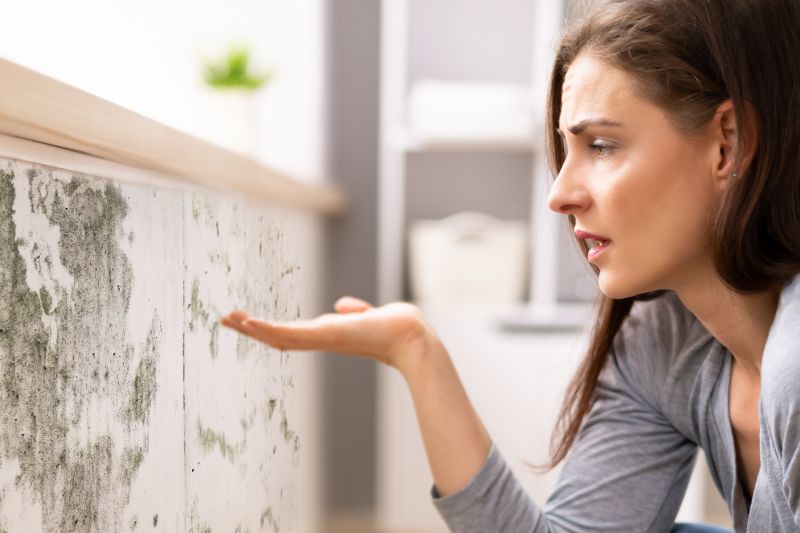
Visible mold on walls indicates the need for remediation.
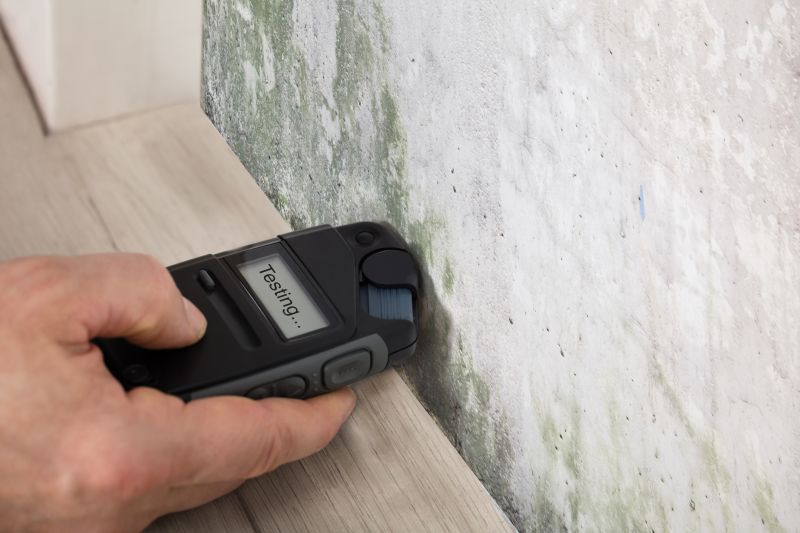
Moisture accumulation in basements often leads to mold issues.

Leaks in plumbing or roofing can cause mold if not addressed promptly.
Ways to make Mold Detection And Remediations work in tight or awkward layouts.
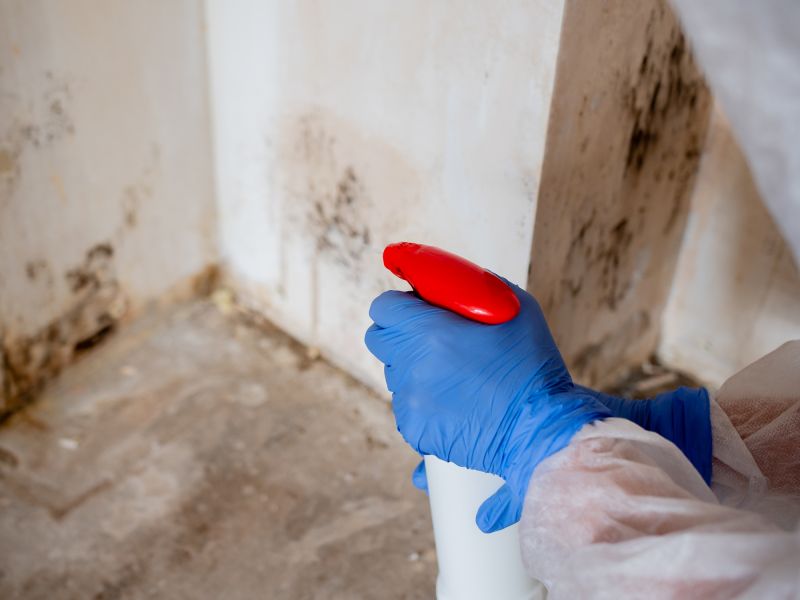
Popular materials for Mold Detection And Remediations and why they hold up over time.
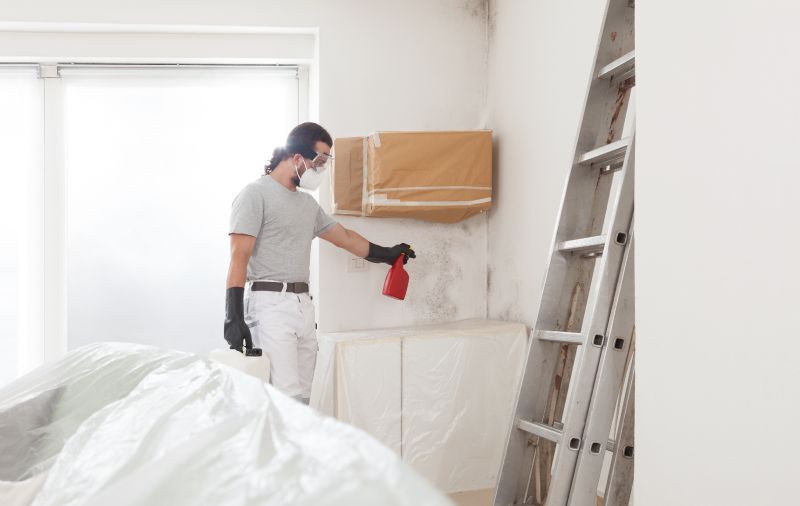
Simple add-ons that improve Mold Detection And Remediations without blowing the budget.
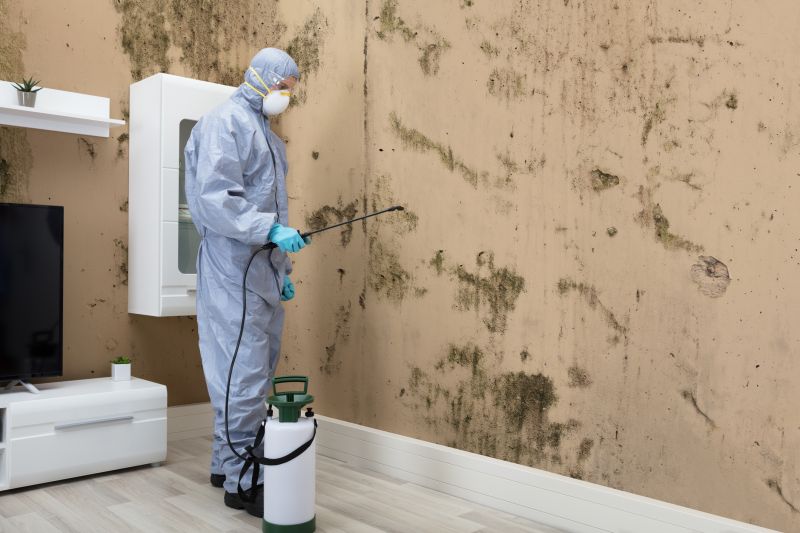
Mold detection involves identifying areas of moisture that support mold growth. Remediation includes cleaning affected surfaces, removing contaminated materials, and addressing underlying moisture sources. According to industry data, early detection reduces remediation costs by up to 50% and minimizes health risks associated with mold exposure.
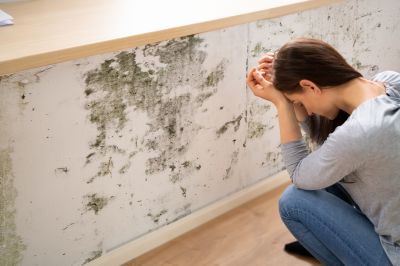
Professional inspections identify hidden mold sources.
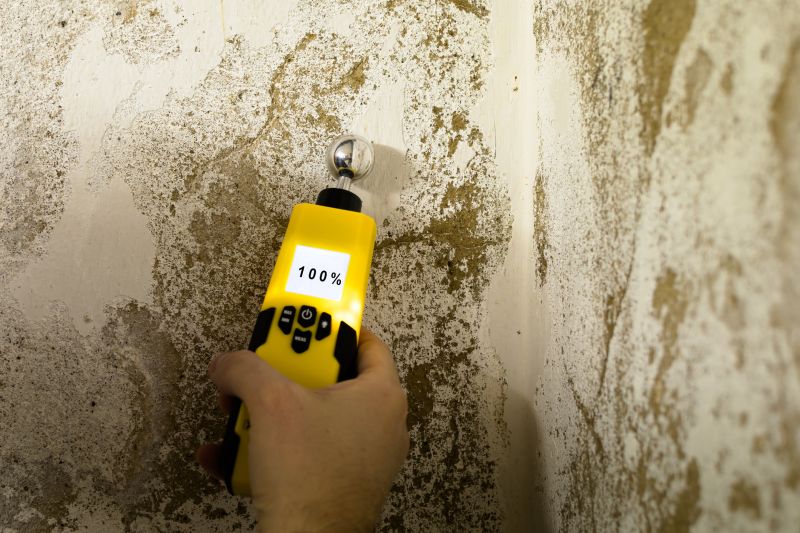
Tools like moisture meters detect excess moisture in building materials.
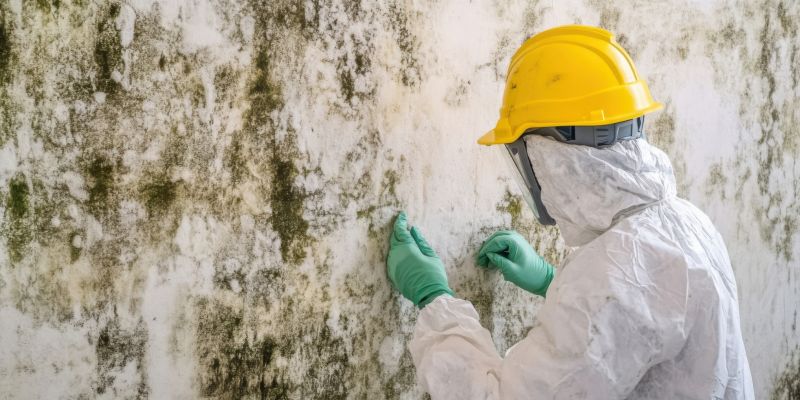
Containment barriers prevent mold spores from spreading during remediation.
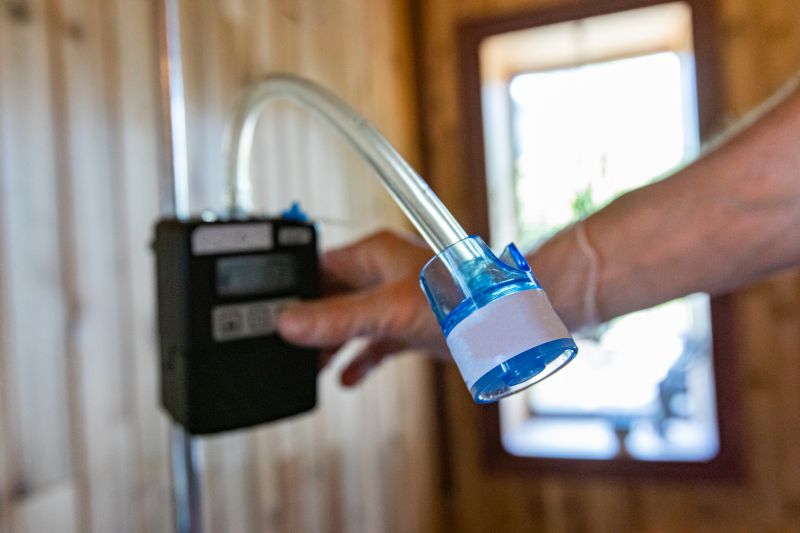
Air sampling assesses mold spore levels inside the property.
| Scenario | Recommended Action |
|---|---|
| Post-Water Damage | Schedule mold inspection immediately after water intrusion. |
| Visible Mold Growth | Initiate remediation as soon as mold is detected. |
| Persistent Odors | Perform air quality testing to locate hidden mold. |
| High Humidity Levels | Monitor and control indoor humidity to prevent mold. |
| Renovations or Construction | Conduct mold assessment before and after work. |
| Seasonal Changes | Check for mold during humid or rainy seasons. |
| Leaks or Plumbing Issues | Inspect and remediate leaks promptly. |
| Health Symptoms | Investigate for mold if occupants experience allergy-like symptoms. |
Understanding the optimal timing for mold detection and remediation helps in maintaining a healthy indoor environment. Regular inspections, especially after moisture events or during high humidity periods, can prevent extensive mold growth. Addressing issues early reduces potential health risks and property damage, ensuring a safer living or working space.
Interested in scheduling a mold detection or remediation service? Filling out the contact form provides an opportunity to assess potential mold issues and determine appropriate action steps. Early intervention can effectively manage mold-related concerns and maintain indoor air quality.