
Leading Tools For Mold Detection And Remediation Professionals
Discover professional-grade equipment trusted by experts to detect and eliminate mold efficiently and safely.
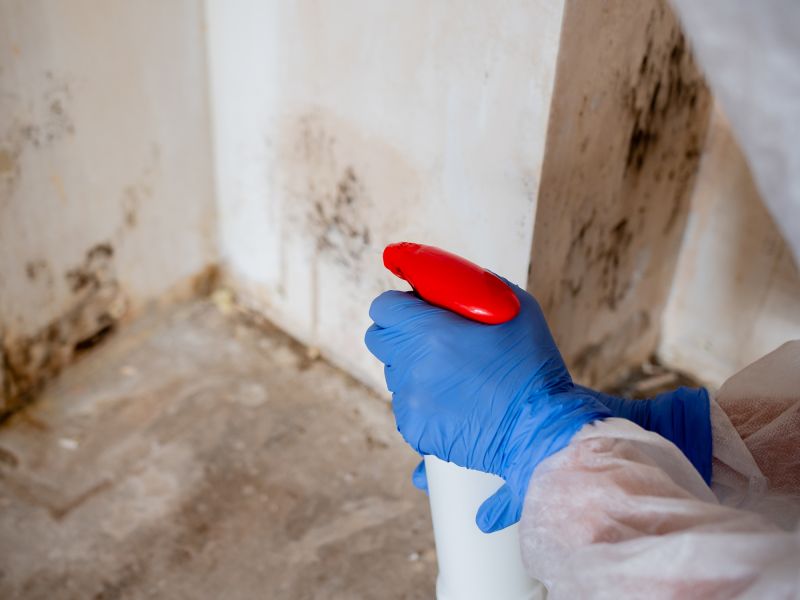 Mold detection and remediation products are essential tools for identifying and addressing mold issues in residential and commercial spaces. Effective detection methods include a range of devices designed to identify mold presence through air quality analysis, surface testing, or moisture detection. These products help homeowners and professionals pinpoint problem areas that might not be immediately visible, enabling targeted remediation efforts. Remediation products, on the other hand, encompass a variety of cleaning agents, mold inhibitors, and containment supplies aimed at safely removing mold and preventing future growth. Using the right combination of detection and remediation tools can significantly improve indoor air quality and reduce potential health risks associated with mold exposure.
Top Overall Option
Comprehensive Mold Detection and Remediation Kit
A versatile kit that combines multiple detection devices such as air quality monitors and surface test swabs with a range of cleaning agents and mold inhibitors. Designed for both DIY enthusiasts and professionals, this all-in-one set offers a thorough approach to identifying and addressing mold issues. Its user-friendly design and detailed instructions make it suitable for various skill levels, providing a comprehensive solution for maintaining healthy indoor environments.
Types of Products For Mold Detection And Remediations
Air Quality Meters
Devices that measure airborne mold spores and humidity levels to assess mold risk in indoor spaces.
Surface Test Swabs
Swab kits used to sample surfaces for mold spores and determine contamination levels.
Moisture Meters
Tools that detect moisture levels within walls and other materials, helping identify hidden mold sources.
Infrared Thermometers
Devices that detect temperature variations indicating moisture presence behind walls or ceilings.
Mold Test Kits
Complete kits for collecting samples and sending them to labs for detailed mold analysis.
HEPA Air Purifiers
Air purifiers equipped with HEPA filters to reduce airborne mold spores and improve air quality.
Mold-Resistant Paints
Specialized paints formulated to resist mold growth on painted surfaces.
Biocide Cleaning Solutions
Chemical agents designed to kill mold on various surfaces during cleaning routines.
Containment Barriers
Physical barriers used to isolate contaminated areas during mold remediation efforts.
Dehumidifiers
Devices that reduce moisture levels in indoor environments to inhibit mold growth.
Vacuum Cleaners with HEPA Filters
Vacuum cleaners capable of capturing mold spores from surfaces and air.
Mold Inhibitors
Products that can be applied to surfaces to prevent future mold development.
UV-C Light Devices
Ultraviolet light tools used to kill mold spores on surfaces and in the air.
Mold Removal Wipes
Pre-moistened wipes designed for quick and convenient surface cleaning.
Popular Choices
Devices that provide real-time data on airborne mold spores and humidity levels, helping monitor indoor environments.
Easy-to-use kits for sampling surfaces to detect mold presence, suitable for quick assessments.
Popular for their ability to filter airborne mold spores and improve overall air quality.
Widely used to control moisture levels, which can help prevent mold growth in damp areas.
Commonly applied in bathrooms and basements to inhibit mold development on surfaces.
Frequently chosen for their effectiveness in cleaning mold from various surfaces.
Helpful for detecting hidden moisture behind walls, aiding in early mold detection.
Popular for removing mold spores from surfaces and air during cleanup processes.
Applied to surfaces after cleaning to reduce the risk of mold regrowth.
Choosing appropriate products depends on several factors, including the scope of the mold problem, the type of surfaces affected, and the level of moisture present. For small-scale issues, simple surface testing kits and household cleaning solutions might suffice. For larger infestations, more advanced detection devices and professional-grade remediation supplies may be necessary. Proper use of these products, along with adherence to safety guidelines, can help ensure thorough mold management. Regular inspections and maintenance can also prevent mold from taking hold, especially in areas prone to moisture accumulation such as basements, bathrooms, and around plumbing fixtures.
When selecting mold detection and remediation products, it is important to consider ease of use, accuracy, and safety features. Products should be suitable for the specific environment and surface types involved, whether they are porous or non-porous. Many detection devices now feature digital readouts, app connectivity, or rapid testing capabilities, making it easier for users to interpret results. Remediation products should be compatible with existing cleaning routines and capable of addressing the severity of the mold presence. Investing in reliable, high-quality tools can help facilitate more effective mold management and contribute to healthier indoor environments.
Overall, the right combination of mold detection and remediation products can empower users to identify issues early and take appropriate action. Whether dealing with minor surface growths or more extensive infestations, there are solutions available to suit various needs and budgets. Staying informed about the latest tools and techniques can make the process more manageable and ensure that mold problems are addressed safely and effectively.
Key Buying Considerations
- Determine the extent of mold contamination to select appropriate detection and remediation tools.
- Consider the type of surfaces affected, such as porous versus non-porous materials, to choose compatible products.
- Look for detection devices that provide clear, easy-to-interpret results, especially for DIY use.
- Ensure cleaning and remediation products are safe for the specific environment and users, particularly if children or pets are present.
- Evaluate the sensitivity and accuracy of detection devices to ensure reliable assessments.
- Opt for products with safety features like non-toxic ingredients and minimal fumes.
- Assess the ease of use and maintenance requirements of detection and remediation equipment.
- Consider the size and coverage area of devices like air purifiers and dehumidifiers to match your space.
- Check for compatibility with existing cleaning routines and tools.
- Review product reviews and ratings to gauge user satisfaction and effectiveness.
- Determine if the products include or support professional-grade options if needed for larger infestations.
- Factor in budget constraints while prioritizing quality and reliability.
- Verify availability of replacement parts or consumables such as filters or test swabs.
- Look for products with clear instructions and customer support options.